
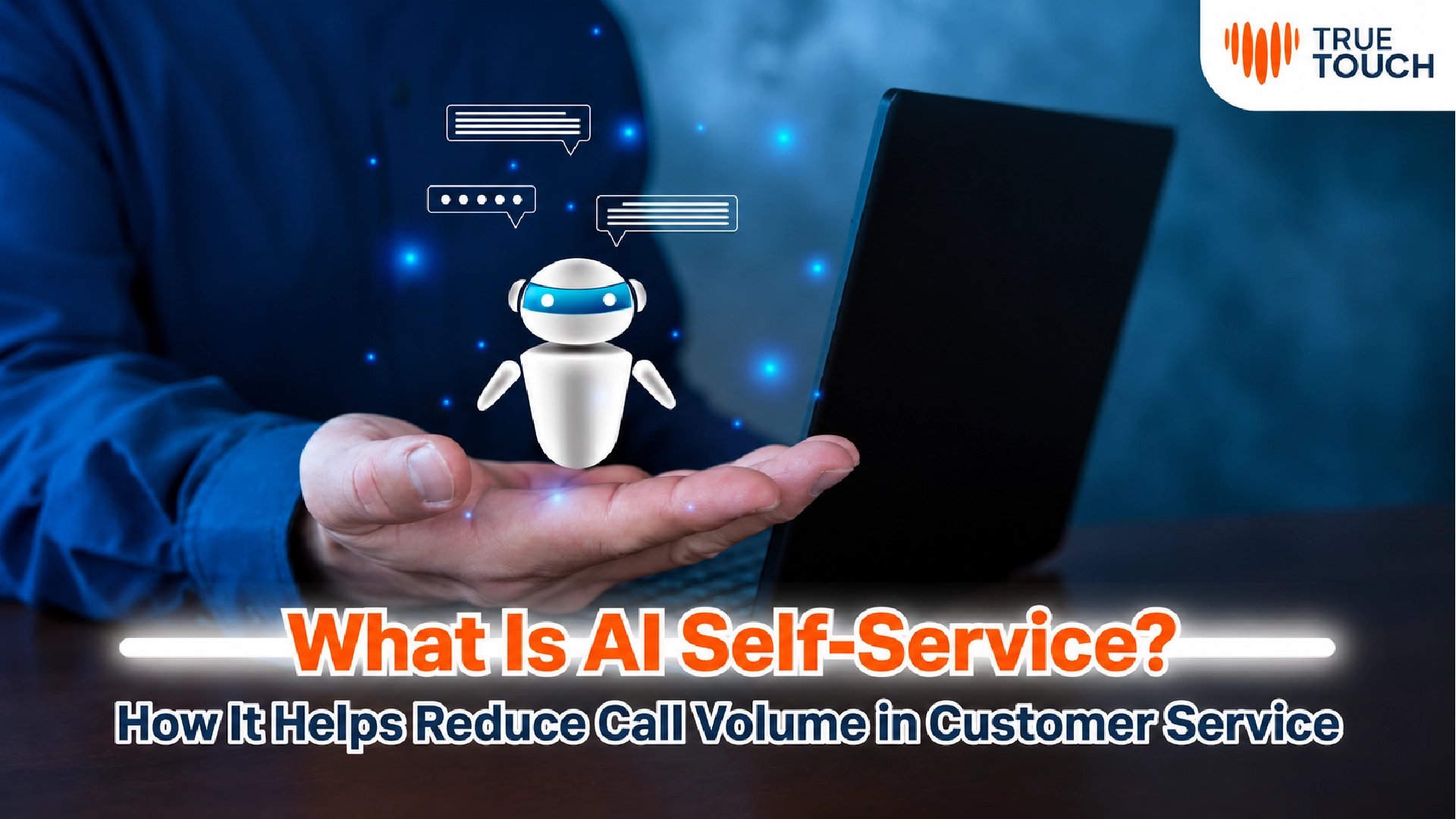
Customer Experience (CX) is at the heart of delivering exceptional customer service. As customer expectations continue to evolve, speed and convenience have become essential priorities for organizations across industries.
True Touch, a leading provider of comprehensive Customer Service Solutions, certified to international standards including ISO 18295-1, ISO 9001, and ISO 27001, and committed to strict compliance with Thailand's Personal Data Protection Act (PDPA), explores how intelligent AI Self-Service solutions can help businesses enhance operational efficiency and achieve sustainable improvements in customer service performance.
Self-Service refers to a customer service model that enables customers to complete transactions, access information, or resolve basic issues independently without requiring assistance from a live customer service agent.
Traditional Self-Service solutions typically include automated telephone menus and Frequently Asked Questions (FAQ) pages on websites.
However, with the integration of Artificial Intelligence (AI), these systems have evolved into more sophisticated AI Self-Service solutions.
By leveraging Natural Language Processing (NLP), contextual understanding, and intelligent automation, AI Self-Service systems can interpret customer inquiries more accurately and deliver relevant, natural, and personalized responses.
This transformation enables organizations to provide faster and more convenient customer experiences while reducing dependency on manual service processes.
Integrating AI into Self-Service solutions transforms traditional customer service operations from agent-dependent interactions into faster, more convenient, and automated customer experiences.
By enabling customers to resolve routine inquiries independently, AI Self-Service helps reduce unnecessary inbound call volumes while improving service accessibility and operational efficiency.
Key capabilities include:
These capabilities help organizations improve call deflection, optimize workforce utilization, and allow customer service teams to focus on more complex and high-value interactions.
Modern organizations are adopting a variety of Customer Self-Service technologies to support changing customer behaviors and deliver seamless experiences across multiple touchpoints.
Common solutions include:
By combining these technologies, organizations can create an integrated Customer Self-Service ecosystem that enhances service accessibility and supports more efficient customer interactions.
An effective call reduction strategy should not frustrate customers or shift additional responsibilities onto them. Instead, businesses should provide Self-Service options that are faster, simpler, and more convenient than traditional service channels.
Key strategies include:
A well-designed AI Self-Service strategy balances automation efficiency with personalized human support, ensuring that reducing inbound call volume does not come at the expense of Customer Experience.
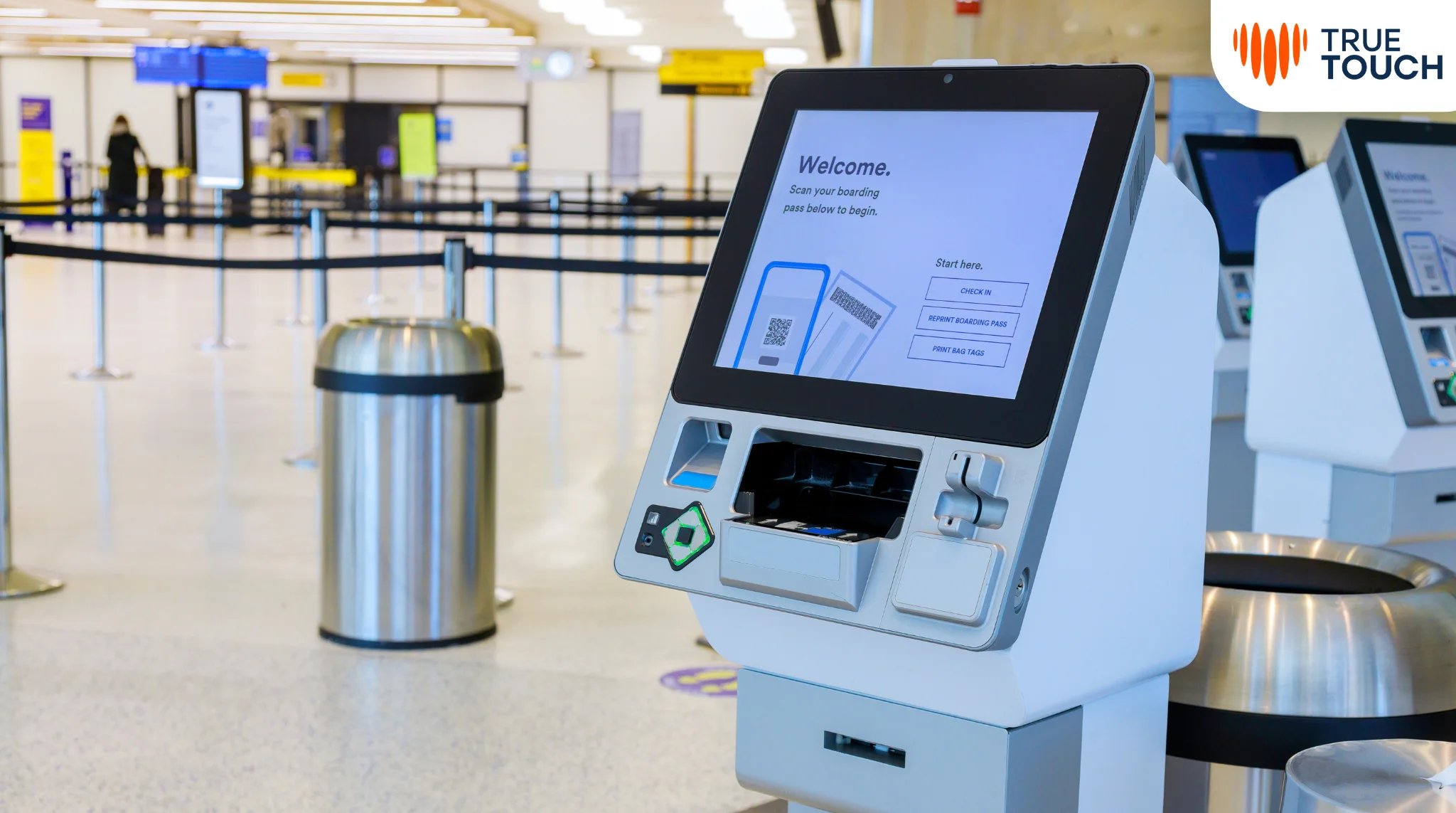
AI Self-Service solutions can be customized to support different business requirements, helping organizations improve customer satisfaction while streamlining service operations.
Examples of industry-specific applications include:
These applications demonstrate how AI-powered automation can help businesses deliver more responsive, efficient, and convenient customer experiences across industries.
Although AI Self-Service offers significant operational and customer experience benefits, successful implementation requires organizations to address several important challenges.
By proactively addressing these challenges, organizations can strengthen customer trust, support smooth AI adoption, and maximize the long-term value of their Self-Service investments.
True Touch is ready to help your organization design and implement comprehensive AI Customer Service Solutions and intelligent AI Self-Service systems.
With more than 20 years of Contact Center expertise and internationally recognized service standards, True Touch combines experienced professionals, proven operational processes, and advanced technologies to help businesses reduce unnecessary inbound calls, improve workforce efficiency, and deliver exceptional customer experiences.
Our commitment is to provide your customers with the same level of care, attention, and dedication that we would give to our own.
Contact True Touch to learn more about our AI Self-Service Solutions:
Tel: +66 (0)2 088 8999
Email: [email protected]
Website: https://www.truetouch.co.th/en
Traditional Self-Service systems typically operate through predefined menus, keypad inputs, or fixed response scripts. In contrast, AI Self-Service leverages Natural Language Processing (NLP) and contextual analysis to understand customer intent, interpret complex inquiries, and provide more flexible, accurate, and relevant responses.
Not necessarily. When AI Self-Service is designed with seamless escalation to human agents, it can enhance customer satisfaction by providing faster and more convenient support. Customers can resolve routine inquiries independently while still receiving personalized assistance for complex or sensitive issues.
AI Self-Service can help reduce inbound calls related to routine inquiries and repetitive transactions by approximately 30%–50%, depending on implementation and customer service requirements. This allows live agents to dedicate more time to complex customer issues, improving overall service efficiency and resource utilization.
AI Self-Service is particularly valuable for businesses that handle high volumes of customer interactions. It enables organizations to provide 24/7 customer support, manage increasing service demand, and improve operational efficiency without proportionally expanding their frontline or Contact Center workforce.
Organizations should select AI Self-Service platforms and service providers that follow internationally recognized information security standards, such as ISO 27001, and strictly comply with applicable data protection regulations, including Thailand's Personal Data Protection Act (PDPA). Strong security controls, appropriate access management, and ongoing compliance monitoring are essential for protecting customer information.